Friday, 17 July 2020

All About Intermittent Fasting

Intermittent Fasting (IF) refers to dietary eating patterns that involve not eating or severely restricting calories for a prolonged period of time. There are many different subgroups of intermittent fasting each with individual variation in the duration of the fast; some for hours, others for day(s). This has become an extremely popular topic in the science community due to all of the potential benefits on fitness and health that are being discovered.

WHAT IS INTERMITTENT FASTING (IF)?

Fasting, or periods of voluntary abstinence from food has been practiced throughout the world for ages. Intermittent fasting with the goal of improving health relatively new. Intermittent fasting involves restricting intake of food for a set period of time and does not include any changes to the actual foods you are eating. Currently, the most common IF protocols are a daily 16 hour fast and fasting for a whole day, one or two days per week. Intermittent fasting could be considered a natural eating pattern that humans are built to implement and it traces all the way back to our paleolithic hunter-gatherer ancestors. The current model of a planned program of intermittent fasting could potentially help improve many aspects of health from body composition to longevity and aging. Although IF goes against the norms of our culture and common daily routine, the science may be pointing to less meal frequency and more time fasting as the optimal alternative to the normal breakfast, lunch, and dinner model. Here are two common myths that pertain to intermittent fasting.

Myth 1 - You Must Eat 3 Meals Per Day: This "rule" that is common in Western society was not developed based on evidence for improved health, but was adopted as the common pattern for settlers and eventually became the norm. Not only is there a lack of scientific rationale in the 3 meal-a-day model, recent studies may be showing less meals and more fasting to be optimal for human health. One study showed that one meal a day with the same amount of daily calories is better for weight loss and body composition than 3 meals per day. This finding is a basic concept that is extrapolated into intermittent fasting and those choosing to do IF may find it best to only eat 1-2 meals per day.

Myth 2 - You Need Breakfast, It's The Most Important Meal of The Day: Many false claims about the absolute need for a daily breakfast have been made. The most common claims being "breakfast increases your metabolism" and "breakfast decreases food intake later in the day". These claims have been refuted and studied over a 16 week period with results showing that skipping breakfast did not decrease metabolism and it did not increase food intake at lunch and dinner. It is still possible to do intermittent fasting protocols while still eating breakfast, but some people find it easier to eat a late breakfast or skip it altogether and this common myth should not get in the way.

TYPES OF INTERMITTENT FASTING:

Intermittent fasting comes in various forms and each may have a specific set of unique benefits. Each form of intermittent fasting has variations in the fasting-to-eating ratio. The benefits and effectiveness of these different protocols may differ on an individual basis and it is important to determine which one is best for you. Factors that may influence which one to choose include health goals, daily schedule/routine, and current health status. The most common types of IF are alternate day fasting, time-restricted feeding, and modified fasting.

1. ALTERNATE DAY FASTING:

This approach involves alternating days of absolutely no calories (from food or beverage) with days of free feeding and eating whatever you want.

This plan has been shown to help with weight loss, improve blood cholesterol and triglyceride (fat) levels, and improve markers for inflammation in the blood.

The main downfall with this form of intermittent fasting is that it is the most difficult to stick with because of the reported hunger during fasting days.

2. MODIFIED FASTING - 5:2 DIET

Modified fasting is a protocol with programmed fasting days, but the fasting days do allow for some food intake. Generally 20-25% of normal calories are allowed to be consumed on fasting days; so if you normally consume 2000 calories on regular eating days, you would be allowed 400-500 calories on fasting days. The 5:2 part of this diet refers to the ratio of non-fasting to fasting days. So on this regimen you would eat normally for 5 consecutive days, then fast or restrict calories to 20-25% for 2 consecutive days.

This protocol is great for weight loss, body composition, and may also benefit the regulation of blood sugar, lipids, and inflammation. Studies have shown the 5:2 protocol to be effective for weight loss, improve/lower inflammation markers in the blood (3), and show signs trending improvements in insulin resistance. In animal studies, this modified fasting 5:2 diet resulted in decreased fat, decreased hunger hormones (leptin), and increased levels of a protein responsible for improvements in fat burning and blood sugar regulation (adiponectin).

The modified 5:2 fasting protocol is easy to follow and has a small number of negative side effects which included hunger, low energy, and some irritability when beginning the program. Contrary to this however, studies have also noted improvements such as reduced tension, less anger, less fatigue, improvements in self confidence, and a more positive mood.

3. TIME-RESTRICTED FEEDING:

If you know anyone that has said they are doing intermittent fasting, odds are it is in the form of time-restricted feeding. This is a type of intermittent fasting that is used daily and it involves only consuming calories during a small portion of the day and fasting for the remainder. Daily fasting intervals in time-restricted feeding may range from 12-20 hours, with the most common method being 16/8 (fasting for 16 hours, consuming calories for 8). For this protocol the time of day is not important as long as you are fasting for a consecutive period of time and only eating in your allowed time period. For example, on a 16/8 time-restricted feeding program one person may eat their first meal at 7AM and last meal at 3PM (fast from 3PM-7AM), while another person may eat their first meal at 1PM and last meal at 9PM (fast from 9PM-1PM). This protocol is meant to be performed every day over long periods of time and is very flexible as long as you are staying within the fasting/eating window(s).

Time-Restricted feeding is one of the most easy to follow methods of intermittent fasting. Using this along with your daily work and sleep schedule may help achieve optimal metabolic function. Time-restricted feeding is a great program to follow for weight loss and body composition improvements as well as some other overall health benefits. The few human trials that were conducted noted significant reductions in weight, reductions in fasting blood glucose, and improvements in cholesterol with no changes in perceived tension, depression, anger, fatigue, or confusion. Some other preliminary results from animal studies showed time restricted feeding to protect against obesity, high insulin levels, fatty liver disease, and inflammation.

The easy application and promising results of time-restricted feeding could possibly make it an excellent option for weight loss and chronic disease prevention/management. When implementing this protocol it may be good to begin with a lower fasting-to-eating ratio like 12/12 hours and eventually work your way up to 16/8 hours.

COMMON QUESTION ABOUT INTERMITTENT FASTING:

Is there any food or beverage I am allowed to consume while intermittent fasting? Unless you are doing the modified fasting 5:2 diet (mentioned above), you should not be eating or drinking anything that contains calories. Water, black coffee, and any foods/beverages that do not contain calories are OK to consume during a fasting period. In fact, adequate water intake is essential during IF and some say that drinking black coffee while fasting helps decrease hunger.

IF YOU JUST WANT THE BENEFITS:

Research on intermittent fasting is in it's infancy but it still has huge potential for weight loss and the treatment of some chronic disease.

To recap, here are the possible benefits of intermittent fasting:

Shown in Human Studies:

1. Weight loss

2. Improve blood lipid markers like cholesterol

3. Reduce inflammation

4. Reduced stress and improved self confidence

5. Improved mood

Shown in Animal Studies:

1. Decreased Body Fat

2. Decreased levels of the hunger hormone leptin

3. Improve insulin levels

4. Protect against obesity, fatty liver disease, and inflammation

5. Longevity

For more about all things health and wellness visit [http://www.pennockwellness.com]

Article Source: https://EzineArticles.com/expert/Blake_Pennock/2479848

https://ezinearticles.com/?All-About-Intermittent-Fasting&id=9823479

Article Source: http://EzineArticles.com/9823479

Wednesday, 15 July 2020

Lose Weight With Pilates

Pilates has become a worldwide phenomenon, growing significantly in the past few decades. The reason is of the many health benefits gained when you do Pilates regularly. Benefits include increased strength, balance, and muscle endurance. But is it a fast way to lose weight?

In order to lose weight you must keep you heart rate raised in the fat burning zone for an extended period of time. Research recommends for 30 minutes, at least 4 days a week. Examples of traditional weight loss exercises include running and cycling. They are moderate intensity exercises sustained for a long period. Pilates is traditionally focused on control and strengthening and works more on slow steady controlled movements rather than fast movements. But this does not mean you won't drop any weight.

To lose weight fast you need to burn off more calories than you eat. When doing Pilates, you are burning energy and will therefore drop weight. It may not be the ideal type of exercise recommended, but you will definitely burn fat and lose weight. You can increase the amount of calories burnt during you Pilates classes by taking less breaks between exercises. Try to flow continuously from one exercise to the next. This will help keep you heart rate up and at a steady level which is ideal for fat burning.

Another way you can burn more fat with Pilates is by using a rebounder. A rebounder is a small trampoline that can be attached to the bottom of the reformer Pilates machines. By using a rebounder you can do more high intensity exercises such as jumping and hopping which will quickly raise your heart rate to the fast burning zone.

Diet must be mentioned when talking about weight loss. No matter how many classes you take you will not lose weight if your diet is not right. Diets can easily be found by a quick search online. Basically decrease calorie consumption as much as possible, cut out fast foods, and increase the amount of fruit and vegetables you eat and you will well on your way to a healthy diet plan.

In summary Pilates can definitely be used as a form of exercise for weight loss. Try to change your routine so you do no stop between exercises, keep up your heart rate at a high level for the whole class. Running or jogging may give you more weight loss, but won't give you the added toning and strengthening that Pilates will.

To learn more fast ways to lose weight [http://fast-way-to-lose-weight.net] and tips on the best cardio for weight loss [http://fast-way-to-lose-weight.net/best-cardio-exercises-for-weight-loss] please visit my blog at fast-way-to-lose-weight.net.

Article Source: https://EzineArticles.com/expert/Susan_A_Johnson/796909

https://ezinearticles.com/?Lose-Weight-With-Pilates&id=6467619

Article Source: http://EzineArticles.com/6467619

Tuesday, 14 July 2020

Effects of Nutrition on Mental Health

It has been an enduring belief that nutrition plays a significant role in the state of mental health of an individual. But is this true or not?

Recent as well as previous researches have proven that nutrition (or the lack of it) does have effects on how a person's brain functions, his moods and his behaviours.

Say for example, a person who has skipped a meal is observably weak, out of focus and irritable. This case worsens when extended to a certain period of time when the person becomes severely moody and indifferent to the demands of his environment thus showing decreased speed in reaction time.

These behaviours occur due to the lack of nutrition supply to the brain. The brain requires high energy and nutrient supply. It comprises, in fact, 20% to 30% of all the energy consumption of the body during rest periods. Thus, any change in diet or nutrition level of the body directly reflects in the mental functioning.

Chronic energy deprivation, such as the case of malnourished people, results to the eventual shutting down of the body by decreasing its activities and redirecting all its energy sources towards the systems that require higher energy supply. This results to altered levels of activities, changes in hormonal levels, lessened immune system efficiency and transport of nutrients and oxygen to certain body parts, all of which could directly or indirectly influence mental health. People with extremely low nutrition are more likely to become sad, depressed and emotional as compared with those who have adequate nutrition.

Newborn babies and fetuses are also susceptible to brain damage if they are subjected to lack of necessary nutrition. The type and degree of damage is dependent on the severity of malnutrition. Also, malnutrition among babies has proven to produce low level of intelligence, cognitive defects as well as functional abnormalities.

Protein, carbohydrates, lipids and vitamins all have individual effects on the brain. Lack of supply of these necessary nutrients result to alterations in the activities of the neurotransmitters, a chemical component in the brain that transmit one nerve impulse from one nerve cell to another. Malfunctioning of the transmitters could influence a person's mood, thinking and even sleep patterns. Additionally, deficient levels of nutrition may result to nerve cell damage that could disrupt cognitive and mental functions.

Neurotransmitters are partly made of amino acids, the building block of protein. Trytophan for example, makes up the neurotransmitter serotonin. If the required amino acid is lacking, the functions of the neurotransmitter could not be executed affecting the normal functioning of the brain. In case of deficient protein consumption and failure to supply the necessary amino acid to make serotonin, the body would experience low mood and perhaps, aggression. On the other hand, diseases that could cause the build up of certain amino acids could lead to brain damage thus affecting the mental health of an individual.

Mood regulation could also be associated with the sufficient intake of dietary fats. Some studies have yielded inconclusive results on the correlation between serotonin level and intake of omega-3 fatty acids, a certain type of fat found only in white fish to stress and symptoms of bipolar disorder (a mood disorder having the representations of both mania and depression).

Directly or indirectly, nutrition has an effect on mental health. Changes in the nutritional intake of a person could lead to alterations in the mental health and vice versa.

If you would like to read more articles about mental health, visit HealthyLifeMission.com [http://healthylifemission.com/mental-health]

Article Source: https://EzineArticles.com/expert/Al_Palino/188649

https://ezinearticles.com/?Effects-of-Nutrition-on-Mental-Health&id=1693240

Article Source: http://EzineArticles.com/1693240

Drink Water to Lose Weight

Anybody in their right mind knows it's a good idea to drink water. But did you know that you can drink water to lose weight? It's true my friends.

As a matter of fact water is the most important consideration when it comes to losing weight. Why? Because water actually increases the body's ability to metabolize fat. How?

Well, as you may or may not know, the liver is the organ that deals with metabolizing fat while your kidneys look after getting rid of the toxins from the water you drink. Now the kidneys will not be able to carry out their job if you don't have enough water in your system. When this happens your body starts shifting some of the kidneys work over to the liver.

And we all know what happens when you're pushed too thin. Productivity goes down. So the liver ends up not being able to metabolize fat as quickly or efficiently. And when this happens, your body starts storing those little fat droplets and you gain weight.

Some folks believe that when they drink water to lose weight, they will bloat. Total myth. Dehydration actually makes your body bloat. When it thinks you aren't giving it enough water, it believes it's entering a state of drought and starts to save what water it has. By drinking more water, your body gets the message that the drought has ended and it stops holding excess water in reserve.

Drinking more water each day to lose weight will be a challenge at first. You'll need more bathroom breaks but that's a good thing because you'll start flushing toxins from your system. Now that your body knows you'll be sending it more water, it stops its panic mode and no longer feels the need to store it and after a week or so, your bathroom trips will slow down and your body will get into a healthy rhythm.

Did you know that often times when you feel hungry, you are actually thirsty? Drink a glass of water and wait ten minutes. If you still feel hungry then have a healthy snack. But if your hunger pangs have disappeared, you're just saved precious calories by taking care of your thirst.

Now that we acknowledge the fact that water is good for us and actually helps us lose weight, the next question is how much of this magic potion do we need to consume in a day.

First of all water consumption needs to be spread out over the course of the day. The old standard is 8 - 8 oz glasses. But if you're a mere 150 pounds and have a desk job, you'll need less water than the 275 pound guy who's doing physical labour in the hot sun.

So a good rule of thumb is don't let yourself get thirsty because if you're thirsty, you're already becoming dehydrated. Start out by drinking a full glass of water with each meal. This way, you'll get at least three glasses a day which will become a habit. Sip in between these times and make sure you drink when you're not thirsty.

You can also get water from the foods you eat. Watermelon is a good example as well as chicken soup with clear broth.

One final bit of advice: stop drinking water about three hours before bedtime. Do I need to elaborate?

Discover how to lose weight sensibly over at my blog where I have [http://lose-weight-sensibly.com/1-diet-program/] and related dieting information. Visit [http://lose-weight-sensibly.com/] to get started with a healthier lifestyle today.

Article Source: https://EzineArticles.com/expert/Christina_Moxley/794364

https://ezinearticles.com/?Drink-Water-to-Lose-Weight&id=5432304
Article Source: http://EzineArticles.com/5432304

POP Pilates for Beginners - Total Body Workout

Healthy Eating - Meal Prep Ideas

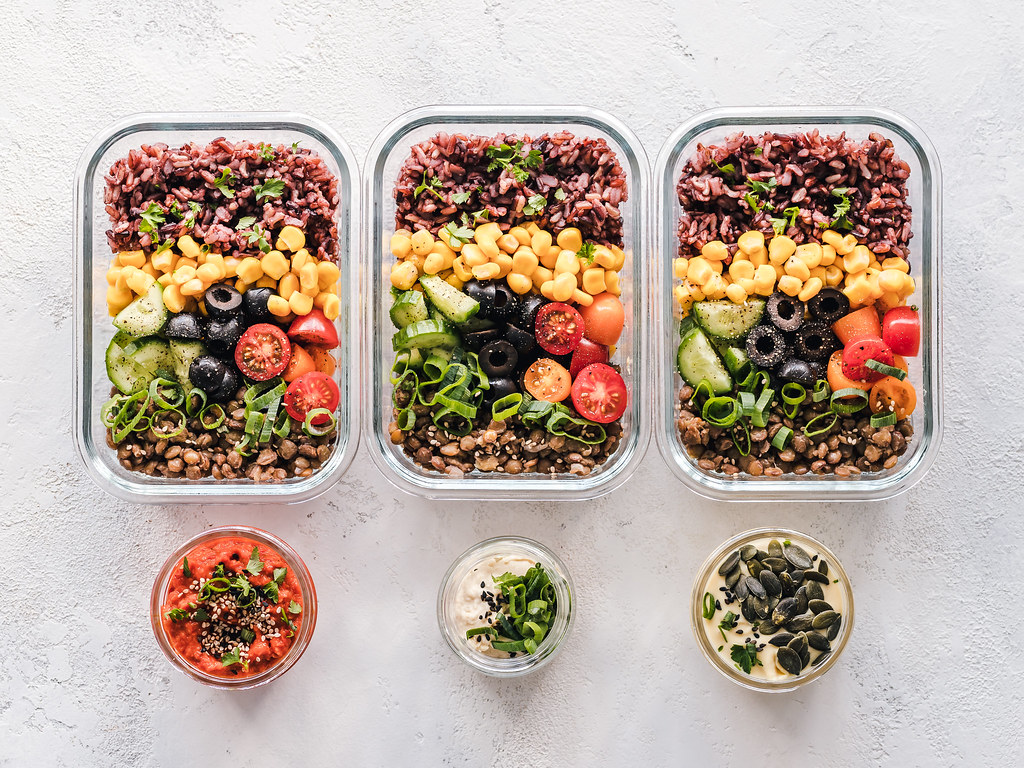
If you are like many people, you groan at the thought of doing meal prep. While you know it is something you need to do, it does not mean you like it! Meal prep takes time, but if you look at preparing say your vegetables just once for the whole week, then you will find it easier to eat healthy home-cooked meals each evening. Some foods, some vegetables are easy to prepare ahead of time and save well. There are steps you can take with your meal planning to make the task easier and then you will find you spend less time doing the meal prep and more time enjoying your food!

Let us look at a few meal-prep ideas...

1. One Recipe, Many Variations. Perhaps the most significant time-consuming task with meal prep is trying to figure out what to cook in the first place. You have to hunt down recipes, figure out what will work with your weight loss diet and then purchase all the groceries required. Time-consuming stuff!

Instead, look at finding one recipe offering several variations. For instance, you might make a vegetable stir-fry. You can just alter the vegetables you put in the stir-fry, swap out the chicken for beef as desired, and even change the sauce a little. It is the same meal overall, but with small changes that should be enough to keep you interested in continuing to carry on with your weight loss diet plan.

The more you become accustomed to preparing the same type of meals over and over, the easier it will be to plan your meal prep out for the week.

2. Two Words: Slow Cooker. Slow cooking is super easy, and a method of cooking everyone should get into doing from time to time. Just put all the ingredients in the slow cooker in the morning, turn it on, and by the time you arrive home from work, the food will be ready to serve. Plus, you can make a significantly sized batch, which means you will be eating healthy meals several times during your week.

3. Buy Pre-Chopped Vegetables. The last idea to consider is buying pre-chopped vegetables. Cutting up vegetables is often one job people dislike doing the most, so make it easier for yourself. Buy them ready to go, so there is little to no prep work involved.

While you will pay a little more for pre-chopped vegetables, it is money well spent.

There you have a few ideas to think about using to help make meal prep easier. If you follow these tips, sticking to your weight loss diet will be easier than ever.

Although managing your disease can be very challenging, Type 2 diabetes is not a condition you must just live with. You can make simple changes to your daily routine and lower both your weight and your blood sugar levels. Hang in there, the longer you do it, the easier it gets.

For nearly 25 years Beverleigh Piepers has searched for and found a number of secrets to help you build a healthy body. Go to http://DrugFreeType2Diabetes.com to learn about some of those secrets.

The answer isn't in the endless volumes of available information but in yourself.

Article Source: https://EzineArticles.com/expert/Beverleigh_H_Piepers/123142

https://ezinearticles.com/?Healthy-Eating---Meal-Prep-Ideas&id=9940363

Article Source: http://EzineArticles.com/9940363

Monday, 13 July 2020

4-Minute Fat Burning Workout | Tabata for Beginners


Yoga Tips to Lose Weight Fast - How to Burn Fat Effectively Through Yoga

Some of the benefits of performing yoga are said to be delayed ageing, more energy, and an improved quality of life. By detoxification the body, yoga exercises will stretch your muscles and massage different organs.

Yoga is also a good exercise activity to lose weight. Yoga helps you burn fat by raising your heart rate, which will then cause an increase in your metabolism. Anyone interested in losing weight should know that a high metabolism plays a big role in weight loss.

Research has shown that people who lose at least 11% of their body weight will reduce their chances of a heart attack, high cholesterol, and of course make them look more attractive. These benefits should have you motivated to lose weight, and learning how to utilize yoga will help. Take a look at some yoga tips to lose weight in a very effective manner.

Probably the most important tip is to learn how to properly perform breathing exercises and body postures. Yoga involves a certain discipline in breathing which is required to work the inner and outer muscles and organs in the body.

Another tip for using yoga to burn fat is to include at least 10 yoga sessions into your monthly workout routine. Yoga gurus state that at least 10 yoga sessions a month will allow you to drop some serious pounds quickly.

One of the most beneficial yoga tips to lose weight is to perform power yoga exercise. When you practice power yoga you will increase the intensity of yoga.

Power yoga requires you to perform a variety of difficult poses at a fast pace, which will keep your heart rate in a fat burning mode. If practised correctly, power yoga will burn roughly 300 calories every hour. However, this type of exercise requires a great deal of flexibility.

Yoga is an ancient exercise regime that anyone can get involved in. Not only does yoga help you lose weight, but it will also help tone your body, improve your flexibility, and get in touch with your spiritual side.

Click Here and learn how you can reduce your waistline and body weight quickly using a powerful fat burning system.

Fast Diets are hard to follow, but this diet makes it easy for anyone to follow a plan that will rapidly burn fat and keep the weight off for long term success.

Article Source: https://EzineArticles.com/expert/Jennifer_Vanderbilt/361580

https://ezinearticles.com/?Yoga-Tips-to-Lose-Weight-Fast---How-to-Burn-Fat-Effectively-Through-Yoga&id=3506604

Article Source: http://EzineArticles.com/3506604

Sunday, 12 July 2020

Yoga For Weight Loss | Fat Burning Workout | Yoga With Adriene

Beginner Exercises Tips

Just starting out working out? Your final decision is one that will bring you face to face with enhanced health, looks, energy, and much more. While there is a great temptation to swallow the entire fitness center entire in one bite, it is better to get stock and are available up with goals that suit your needs? Ready to generate some beginner exercises objectives that will help you achieve your destination of a far better, more healthy daily life? Get started doing the goals below.

The very first thing you have to do before you decide to work out is determine when you're likely to head to the health club. Certain, have a trip to a health club on impulse on occasion, but you cannot rely on these spontaneous trips that will help you meet your other fitness goals. Fairly, you are going to need to think of a typical time to get to the gym. Be it at four a.m., on your lunch hour, or following function, having a predetermined time to physical exercise can help you with the next objective.

Once you have determined when you can exercise, it's up to you to make sure you follow through. If you may think the advantages of working out are enough to maintain you heading powerful, you might be wrong. To make it just a little easier to stick with your program, give yourself an objective of sticking with your program 3 days per week for 3 months. Once you've been in internet marketing for your long, it ought to be cemented into your schedule, making it easier to stick with physical exercise for the long term. Should you constantly require an additional objective, reset your clock for another 3 months a week or two just before completing the initial 3 months.

Toning up and dropping down in many cases are the main reasons for exercising. If they are causes of your brand-new interest in physical exercise, use them to your benefit. Every single day you're employed out, jot down your weight, the most crucial measurements to you, and the workouts you carry out. Over time, you can see enhancements in all three regions. And when you are having trouble in a single (it can be difficult to carry on slimming down following a specific level), you may be encouraged by other statistics, for example your lowered blood pressure level or just how much longer you can stay on the treadmill now than when you initially began.

When you are initial engaging in your beginner exercises program it's not hard to be forthcoming about your workout routine. After all, you are in a fitness center 3 times a day, lifting far more weights per day than you have previously 4 years, and running 6 miles during lunch. But it becomes more difficult to be truthful when you have been in internet marketing some time. To maintain your self honest, get an exercise partner to keep you accountable. The easiest way with this to work is to work out with this person every time you go to a fitness center. By doing this, your partner understands when you have worked out and may assist you to work out in the intensity necessary for you to definitely meet your other workout goals.

It isn't uncommon for people to feel they deserve rewards for every a valuable thing they do. If you are one of these simple folks, you might seek a reward for the exercising prowess. But it is important to see the way you are feeling and appear as your reward. Certain, there is nothing incorrect with lacking a day at the gym or licking an ice cream now and then. Even so, if you're not careful, your reward system can find yourself making it impossible for you to meet your beginner exercise goals.

For additional info on beginner exercises program make sure to check out the authors Napa boot camp [http://www.joshsbootcamp.com]. His Napa boot camp specializes in rapid fat loss and dropping belly fat quick.

Article Source: https://EzineArticles.com/expert/Joshua_Schlottman/899421


Article Source: http://EzineArticles.com/6016972